Font Size:

2024 Monsoon season and smaller but more intense storms shows need for replacement program
The 2024 monsoon season may be over, but for Graham County Electric Cooperative, planning for the next one never stops.
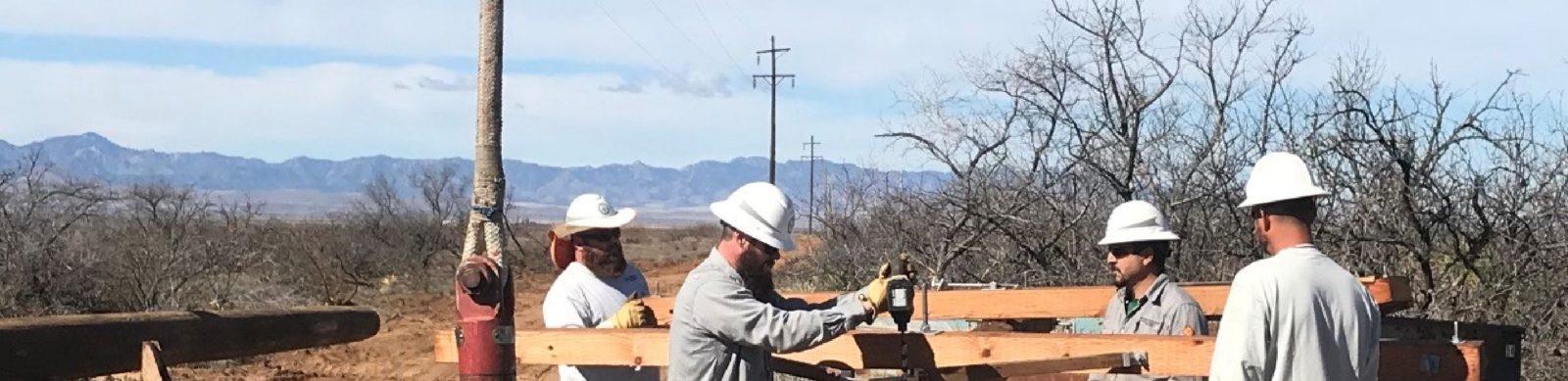
In fact, the preventive maintenance program that helps ensure reliability is an ongoing process will soon take a new direction as GCEC begins replacing dated and deteriorating wood poles, and poles in strategic locations such as street intersections, with metal poles.
Phil Cook, GCEC CEO, said it was an “interesting, a rather unique season.”
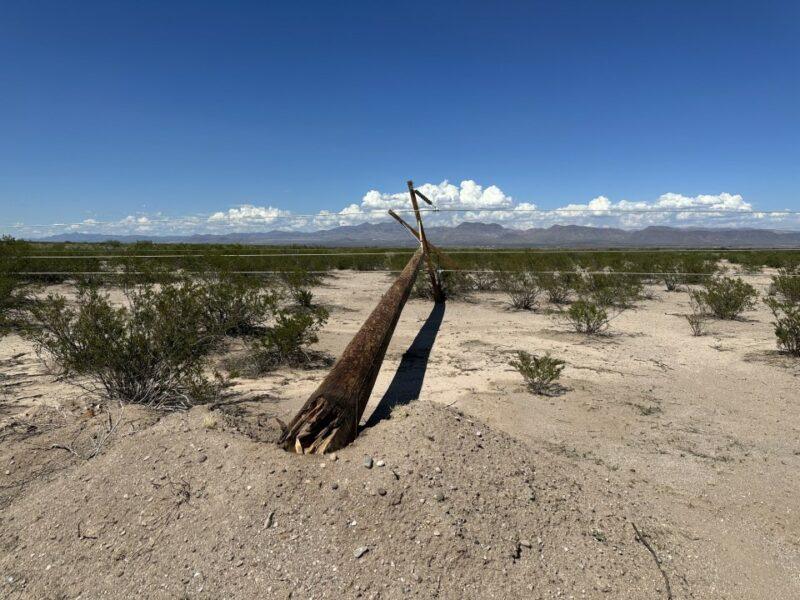
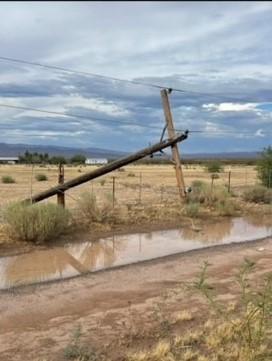
“We started with five inches of rain hitting Pima, a lot of wind and rain in a very short time; we lost a lot of trees, a number of poles went down as well as lines.
“Then we had a period of quiet and then we had very concentrated storms that hit our system in Safford, Fort Thomas, Klondyke, and Bonita,” said Cook.
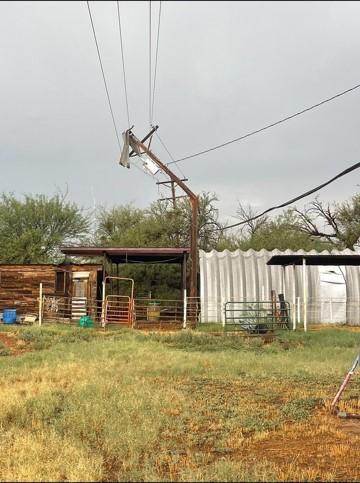 “It was very sporadic, we didn’t have large storms come in and take out a whole area; rather, it was severe small storms and microbursts in small, concentrated areas,” Cook said.
Cook said the co-op has been looking at replacing wood poles with metal for several years, and this summer’s monsoon season showed there will be a major cost benefit over time.
“We don’t have high humidity but we have year-round sun, and during the summer months it’s a very hot, intense sun that causes the wood poles to crack, then we have termites that eventually get to the wood and we just don’t have as long a life for wood poles as we would with the metal poles,” Cook said.
GCEC can increase the useful life of a pole by more than 20 years longer by switching to metal poles.
 GCEC inspects poles on a regular basis but with 20,000 poles in the system the line crew targets areas they know have the oldest poles or poles that are known to be near the end of their useful life.
Cook said the co-op must do something to further reduce the number of poles that are at greatest risk of coming down, in a storm, heavy winds, or for some other reason.
“I’ve been asking, anytime we have a poll go down what was the age of the poll and what was the status of that poll; was it substandard or had it been flagged for being of poor quality,” said Cook.
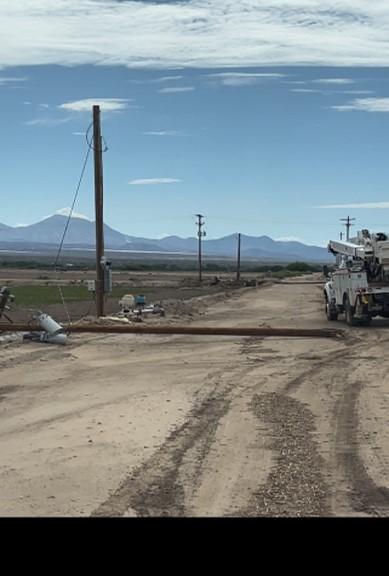 It is not only the polls that need to be replaced but, in some cases, the conductor (line) or the insulators as well.
“With 20,000 poles in the system, we need to look at our maintenance processes and find ways to improve the reliability and manage costs. This is a 10- to 15-year plan rather than a day day-by-day plan, and over time we’ll really start seeing the payoff,” Cook said.
“System reliability for the Member is our priority,” Cook said.
For more information about GCEC and its programs, visit the co-op website, or call GCEC at (928) 485-2451.